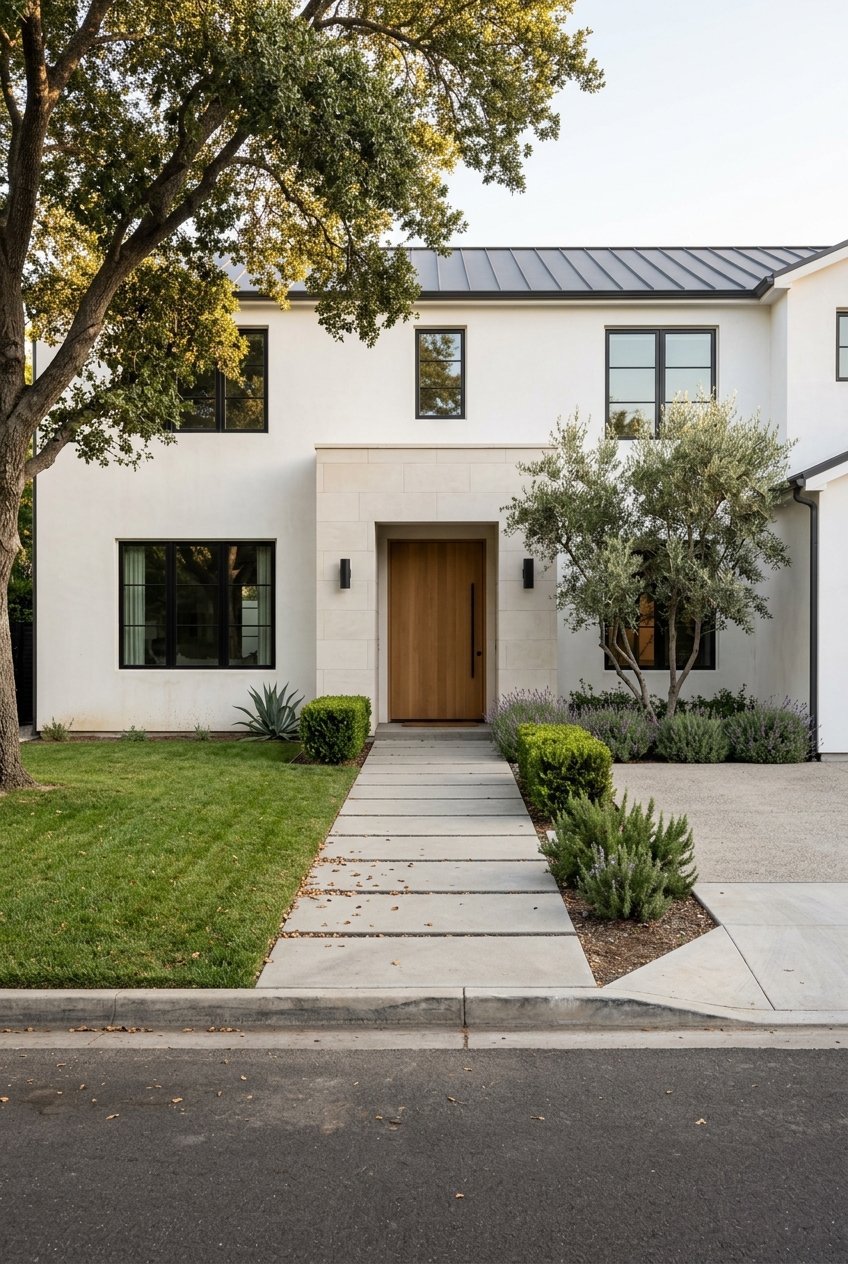
If you are searching for a home in Menlo Park, one of the first things you notice is how much the feel can change from one pocket to the next. A walkable in-town area near Caltrain can feel very different from a quieter residential section with limited transit and mostly detached homes. This guide will help you compare Menlo Park neighborhoods more clearly so you can build a short list that fits your lifestyle, priorities, and long-term goals. Let’s dive in.
Why Menlo Park Feels So Varied
Menlo Park is a relatively small Peninsula city of about 19 square miles, but it offers a wide range of living environments. The city describes tree-lined neighborhoods, active commercial districts, and a pedestrian-oriented downtown near Caltrain.
It is also helpful to remember that neighborhood lines here can function more like micro-markets than strict boundaries. In city planning documents, some areas are even split into north, south, east, or west sub-areas for analysis. That matters when you are comparing homes, because the same city can offer very different day-to-day experiences depending on where you land.
Start With Your Lifestyle Priorities
Before you focus on a specific street or listing, it helps to decide how you want your daily routine to work. In Menlo Park, many buyers narrow their search based on three simple questions: do you want walkability, detached-home living, or easier corridor access for errands and commuting?
If you want to be close to dining, shopping, transit, and a more in-town atmosphere, Downtown and Central Menlo usually rise to the top. If you want a more residential setting with mostly detached homes, several west-side and east-side pockets may be a better fit.
Downtown Menlo Park
Best for walkable, in-town living
Downtown Menlo Park is the city’s most walkable core. It is mostly made up of apartments and commercial uses, with grocery stores, parks, bus stops, Caltrain, and Menlo Park’s strongest concentration of dining and shopping.
The city also highlights a Sunday farmers market, a public plaza, and its Streetary dining program. If you want a neighborhood where daily errands and weekend activities can happen close to home, Downtown is often the first area to consider.
What to expect in the housing mix
Because Downtown is mostly apartments and commercial uses, it tends to feel more urban and active than the detached-home neighborhoods farther west or south. Buyers looking for a low-maintenance setup or close-in convenience may find this area especially appealing.
If your priority is a quieter street with fewer commercial uses nearby, you may prefer other parts of Menlo Park. Downtown is more about access, activity, and proximity to amenities.
Central Menlo
Best for close-in convenience with a neighborhood feel
Central Menlo offers a compact, in-town feel while still reading as more residential than Downtown. The area is mostly 2- to 3-story apartments, with neighborhood retail, Burgess Park nearby, and Caltrain at the southeast edge.
For many buyers, Central Menlo sits in a useful middle ground. You get easier access to amenities and transit than in many detached-home areas, but the setting can feel a bit less commercial than the downtown core.
Allied Arts and Stanford Park
Best for a balanced lifestyle
Allied Arts and Stanford Park combine detached homes and 2-story apartments with retail along El Camino Real. Nealon Park and Jack W. Lyle Park are nearby, which adds to the area’s convenience.
This pocket often appeals to buyers who want a blend of residential streets and access to nearby services. The neighborhood itself has no open space within it, so its character is shaped by housing and corridor adjacency more than by internal parkland.
Why this area often draws attention
Among Menlo Park options, Allied Arts and Stanford Park can feel like a bridge between downtown convenience and a quieter residential setting. If you want flexibility in housing type and access to nearby retail, it is worth a close look.
Felton Gables
Best for a quieter residential feel
Felton Gables is made up entirely of detached single-family homes. The city notes very limited transit and sidewalk connectivity, and Holbrook-Palmer Park sits next door in Atherton.
This area can read as one of Menlo Park’s more secluded close-in pockets. If your priority is a residential setting with less in-neighborhood activity, Felton Gables may stand out for that reason.
West Menlo
Best for detached homes near central corridors
West Menlo is mostly detached single-family homes. The neighborhood includes schools, a church, a cemetery, and an art gallery, with bus service running along Santa Cruz Avenue.
The city notes that West Menlo has no public open space within the neighborhood itself. For buyers comparing detached-home areas, this pocket may appeal if you want a residential setting that still keeps you relatively connected to a main local corridor.
Sharon Heights
Best for mixed housing and west-side access
Sharon Heights has a broader mix than some nearby neighborhoods. It includes detached homes, medium-density apartments, offices, neighborhood commercial uses, schools, and the country club.
The city describes limited transit, few sidewalks, and no bike lanes, with Sharon Park and the golf-and-country-club open space serving as the main amenities. For some buyers, that mix creates a practical blend of residential living, services, and west-side location.
Connectivity considerations
Sharon Heights is often associated with Sand Hill Road access and the city shuttle as key links. If your routine depends on easy corridor access more than walk-to-downtown living, this can be an important distinction.
Stanford Hills
Best for a primarily residential setting
Stanford Hills is almost entirely detached single-family homes. The area has one park and no bus stops within the tract, and daily errands tend to center on Sharon Heights Shopping Center rather than on retail within the neighborhood.
For buyers who want limited commercial activity nearby, Stanford Hills may be appealing. It is one of the Menlo Park pockets most aligned with a quieter residential atmosphere.
South of Seminary and Vintage Oaks
Best for detached homes with corridor access
South of Seminary and Vintage Oaks are mostly detached single-family home areas. Willow Road and Middlefield Road are the main connectors, and Willow Oaks Park sits just outside the neighborhood.
This location can be useful if you want access to key routes for errands and movement around town. The city also notes some flood exposure here, so that is one of the practical details worth reviewing carefully when comparing properties.
The Willows
Best for residential streets with practical access
The Willows is primarily made up of detached single-family homes. It also includes schools and strip commercial uses along Willow Road, Middlefield Road, and Menalto Avenue, with Willow Oaks Park as a main open-space feature.
US-101 and San Francisquito Creek create connectivity barriers in parts of the area. Even so, The Willows is often one of the neighborhoods buyers consider when they want detached-home living while staying close to major connectors and everyday errands.
Suburban Park, Lorelei Manor, and Flood Triangle
Best for freeway-adjacent residential living
Suburban Park, Lorelei Manor, and Flood Triangle are mostly detached single-family home areas near Bay Road. Flood Park is nearby, and the overall profile is more freeway-adjacent than walkable.
Bay Road serves as the main transit-linked edge for the neighborhood. If your priority is a residential pocket with access to nearby regional routes, this area may be worth including in your search.
How to Narrow Your Menlo Park Short List
If you want walkability
The city context points most clearly to these areas:
- Downtown Menlo Park for the strongest walk-to-dining, shopping, and transit setup
- Central Menlo for a compact in-town feel with nearby retail and Caltrain access
- Allied Arts and Stanford Park for a middle ground between convenience and quieter residential streets
If you want mostly detached homes
These are the primary detached-home pockets highlighted in the city materials:
- West Menlo
- Felton Gables
- Sharon Heights
- Stanford Hills
- South of Seminary and Vintage Oaks
- The Willows
- Suburban Park, Lorelei Manor, and Flood Triangle
If you want a quieter feel
Based on the city’s neighborhood descriptions, the areas most aligned with lower in-neighborhood commercial activity and fewer transit amenities include:
- Felton Gables
- Stanford Hills
- West Menlo
If you want better corridor access
If practical movement around town matters most, these neighborhoods deserve extra attention:
- The Willows and South of Seminary/Vintage Oaks for proximity to Willow Road and Middlefield Road
- Sharon Heights for Sand Hill Road connections and the city shuttle
- Suburban Park/Lorelei Manor/Flood Triangle for Bay Road access
A Smarter Way to Compare Homes
In Menlo Park, choosing the right neighborhood is rarely about finding a single “best” area. It is usually about finding the pocket that best matches how you want to live, how much convenience you want nearby, and what kind of housing stock fits your plans.
That is why neighborhood-level strategy matters. A detached home in a quieter pocket, an apartment near Downtown, and a home in a corridor-adjacent area may all serve very different goals, even within the same city.
When you compare Menlo Park homes through that lens, your search becomes clearer and more efficient. If you want tailored guidance on which Menlo Park micro-markets best fit your priorities, Hebe Li offers clear, discreet advice backed by deep Peninsula market knowledge.
FAQs
Which Menlo Park neighborhoods are best for walkable living?
- Downtown Menlo Park is the most walkable option, followed by Central Menlo, with Allied Arts and Stanford Park offering a balance of convenience and residential character.
Which Menlo Park neighborhoods have mostly detached single-family homes?
- West Menlo, Felton Gables, Sharon Heights, Stanford Hills, South of Seminary/Vintage Oaks, The Willows, and Suburban Park/Lorelei Manor/Flood Triangle are the main detached-home areas identified in the city materials.
Which Menlo Park neighborhoods feel quieter and more residential?
- Felton Gables, Stanford Hills, and West Menlo are the neighborhoods most aligned with a quieter residential feel and fewer in-neighborhood commercial uses.
What should buyers know about Menlo Park neighborhood boundaries?
- Menlo Park neighborhood lines often work more like micro-market distinctions than hard boundaries, and the city sometimes analyzes areas by smaller north, south, east, or west sections.
Which Menlo Park neighborhoods offer easier access to major corridors?
- The Willows and South of Seminary/Vintage Oaks are closely tied to Willow Road and Middlefield Road, Sharon Heights connects through Sand Hill Road and the city shuttle, and Suburban Park/Lorelei Manor/Flood Triangle is linked by Bay Road.