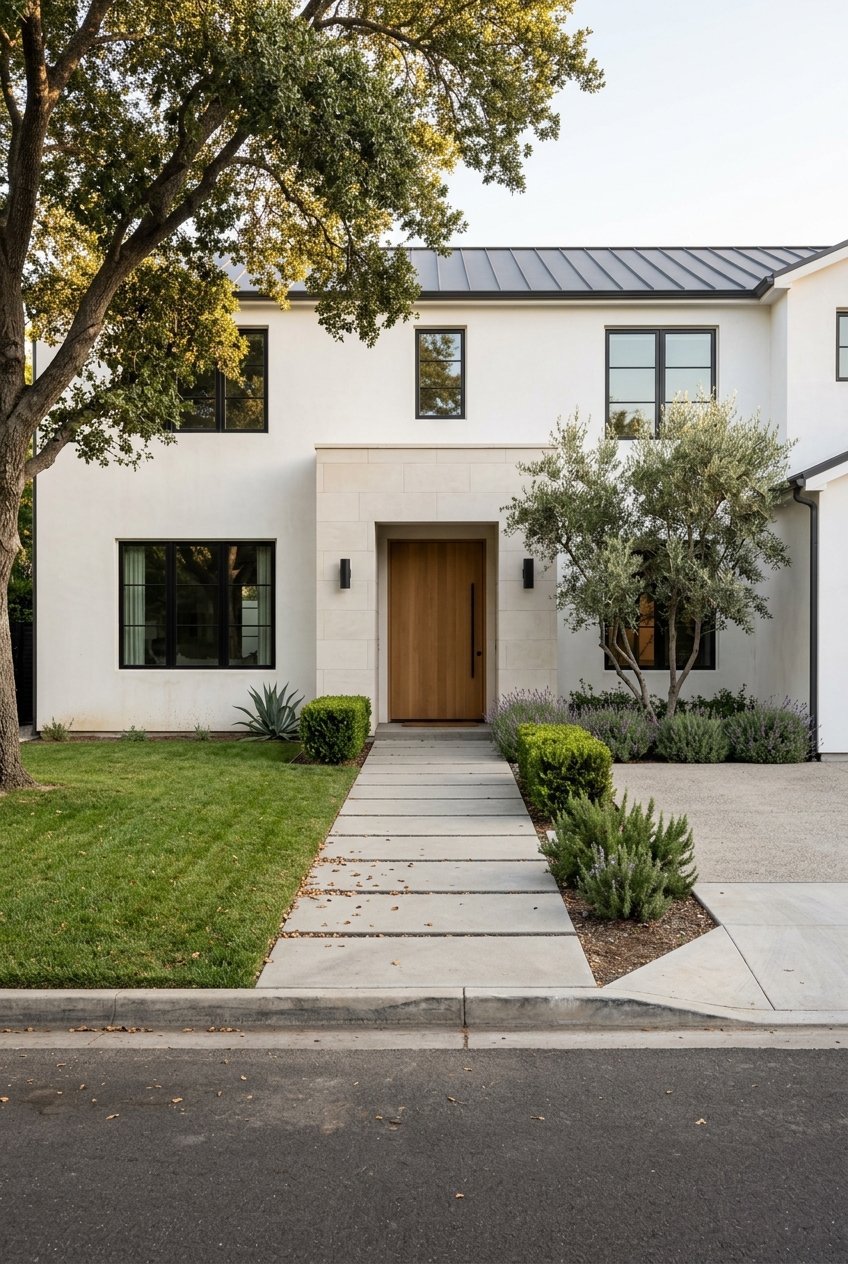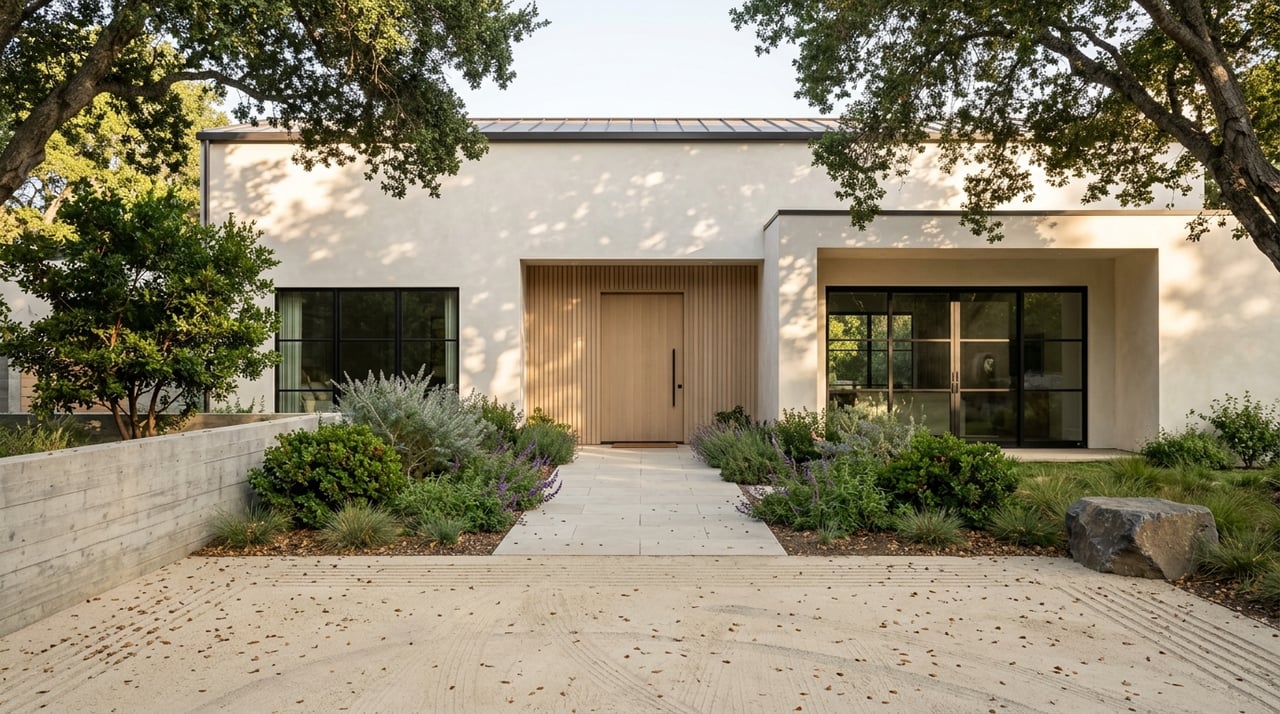
Looking for a Peninsula town where home life feels tucked into nature rather than built over it? Portola Valley stands out for exactly that reason. If you are considering a move here, understanding how the town balances open space, privacy, and low-density housing can help you decide whether it fits your lifestyle and long-term goals. Let’s dive in.
Why Portola Valley Feels Different
Portola Valley covers about 9.1 square miles just west of Stanford University, but its identity is shaped less by size and more by intent. The town describes itself as wooded and picturesque, with scenic roads, natural views, and architectural guidance designed to keep development visually subordinate to the landscape.
That planning philosophy matters when you drive through town. You notice fewer signs of dense commercial activity, more natural surroundings, and a consistent sense that homes are meant to sit within the land rather than dominate it.
A Town Built Around Preservation
Open-space protection and environmental preservation were foundational goals when Portola Valley incorporated in 1964. That long-term approach still shapes daily life today, from the trail network to the rural design standards found in the General Plan.
The town also places clear value on conservation, sustainability, scenic roads, and paths. For you as a buyer, that means the setting is not accidental. It is protected through ongoing local planning.
Outdoor Living Is Part of Everyday Life
In Portola Valley, outdoor access is not just a weekend bonus. It is central to how the town is organized and how many residents experience the area day to day.
The town has seven significant open spaces within its borders and about 1,900 acres of preserved open space. It specifically identifies Dorothy Ford Park, Windy Hill, Spring Down, Herb Dengler, Shady Trail, Coal Mine Ridge and Blue Oaks Trails, and Frog Pond as part of its preservation history.
Trails Are Woven Into the Town
Portola Valley’s General Plan includes a Trails and Paths Element that supports a free and unimpeded trail network. The town also explicitly values easy town-wide path access, scenic roads, and horse properties.
That helps explain why trails feel like part of the town’s structure rather than an afterthought. If you enjoy walking, riding, or simply having immediate access to open land, this is a meaningful part of the Portola Valley lifestyle.
Windy Hill Adds Regional Appeal
Windy Hill Preserve is one of the area’s best-known outdoor destinations. The preserve spans 1,414 acres and offers hiking, biking, and equestrian access, with a lower trailhead on Portola Road and overflow parking at Portola Valley Town Center.
Popular loop routes can offer broad Bay and Pacific views when conditions are clear. For buyers who want nature close at hand, that kind of access adds real lifestyle value.
Homes Here Prioritize Space and Privacy
Portola Valley’s housing character is defined by low density, strong zoning, and design rules that support a quiet, estate-oriented feel. The zoning map includes Residential Estate, Single-Family Residential, and Mountainous Residential districts, along with open-area and limited commercial districts.
In practical terms, this creates a market where privacy tends to be part of the appeal. Many homes feel set apart from one another, and the town’s standards reinforce a more restrained visual character.
Estate-Oriented Character Comes From Local Rules
The General Plan describes rural quality in specific ways, including minimal lighting and noise, narrow roads, minimal fencing, unobtrusive property entries, and development that complements the natural setting. These details shape how the town looks and feels from street to street.
The town’s own FAQ also describes Portola Valley and similar communities as low-density residential areas with high property values and strong zoning regulations. Together, those factors help explain why the housing stock often feels estate-oriented and privacy-forward.
ADUs and Second Units Still Matter
Even with a low-density identity, Portola Valley includes ADUs and second units as part of its housing mix. The town states that ADUs are an important way to add homes while preserving rural character, and its FAQ notes that most of its housing need is met through second units.
For the 2023 to 2031 housing cycle, the town’s housing element assigns 253 units, with ADUs expected to remain an important source of housing. If you are evaluating flexibility for guests, extended household needs, or added functionality on a property, this is worth understanding early in your search.
Daily Life Is Quiet and Community-Oriented
Portola Valley is not a town built around retail density or a busy downtown. Commercial activity is intentionally limited to what residents need, which supports a quieter and more residential day-to-day experience.
For some buyers, that is exactly the draw. You are choosing a place where the setting, space, and pace often take priority over a long list of in-town amenities.
Town Center Anchors Local Activity
Portola Valley Town Center, which opened in 2008, serves as a central gathering point. It includes a county library with Wi-Fi and children’s programming, a community hall for classes and rentals, recreational fields, a town hall, and the Historic Schoolhouse used for council and committee meetings.
That mix reinforces the town’s civic and community-focused character. Rather than feeling commercially busy, Portola Valley tends to feel locally grounded.
Civic Participation Shapes the Culture
The town government notes that more than 100 volunteers serve in different capacities. That level of participation supports the close-knit, involved atmosphere many people associate with Portola Valley.
If community engagement matters to you, this is one of the town’s defining qualities. It reflects a place where residents often take an active role in local life.
School District Context for Buyers
For buyers comparing Peninsula locations, school district boundaries are often part of the search process. In Portola Valley, the Portola Valley School District includes Ormondale School for grades TK through 3 and Corte Madera School for grades 4 through 8.
For high school, the Sequoia Union High School District serves Portola Valley along with other communities in the region and operates several comprehensive high schools. As with any home search, it is wise to confirm attendance details directly as you narrow specific properties.
What Buyers Should Know About Terrain and Preparedness
Portola Valley’s natural beauty comes with practical ownership considerations. The town states that it sits astride the San Andreas Fault, and its General Plan Safety Element addresses geologic, fire, and flood hazards.
That means hillside terrain and hazard planning are part of the ownership picture, not side issues. If you are considering a purchase here, it helps to evaluate the home and site with the same care you give the layout, design, and location.
Wildfire Readiness Is Part of Local Life
The town maintains an active wildfire-preparedness program that includes home hardening, vegetation management, communications, evacuation planning, and coordination with the Woodside Fire Protection District and the San Mateo County Sheriff’s Office.
The town also notes limited roadways, 13 emergency gates, and a townwide evacuation plan. For buyers, this points to an important reality: privacy and open space often go hand in hand with a strong culture of preparedness.
Questions to Ask During Your Search
If you are evaluating homes in Portola Valley, it helps to look beyond finishes and square footage. Consider asking about:
- Site topography and access
- Vegetation management and defensible space
- Emergency access and evacuation planning
- Lighting, fencing, and entry features that align with local character
- Potential for ADUs or second units, where relevant
These are practical questions that can help you assess how a property fits both your lifestyle and the town’s planning framework.
Is Portola Valley the Right Fit for You?
Portola Valley tends to appeal to buyers who value land, quiet, natural beauty, and a more private residential setting. It can be especially compelling if you want estate-style housing, direct access to trails and open space, and a town culture that prioritizes preservation over expansion.
At the same time, it is important to be honest about fit. If you want a more retail-heavy, walkable downtown experience, Portola Valley may feel intentionally limited. If you want calm, space, and a landscape-first setting, that restraint may be exactly what makes it special.
In a market where luxury often means more than size alone, Portola Valley offers a distinct kind of value. It combines privacy, natural surroundings, and long-protected character in a way that is increasingly hard to find on the Peninsula.
If you are weighing a move to Portola Valley or comparing it with other high-end Peninsula communities, working with an advisor who understands both the lifestyle and the property nuances can make the process clearer. For tailored guidance on Portola Valley and nearby luxury markets, connect with Hebe Li.
FAQs
What makes Portola Valley different from other Peninsula towns?
- Portola Valley stands out for its preserved open space, low-density zoning, scenic roads, trail network, and planning approach that keeps development visually subordinate to the natural landscape.
Are trails really part of daily life in Portola Valley?
- Yes. The town’s planning framework supports a connected trail network, and local access to places like Windy Hill makes outdoor recreation part of everyday living for many residents.
What types of homes are common in Portola Valley?
- Portola Valley includes Residential Estate, Single-Family Residential, and Mountainous Residential areas, so the housing stock often includes estate-style, single-family, and hillside homes with a strong sense of privacy.
Does Portola Valley have a busy downtown or major retail center?
- No. The town intentionally limits commercial activity to what residents need, so daily life tends to feel quiet, residential, and community-oriented rather than retail-heavy.
What should buyers know about wildfire readiness in Portola Valley?
- Buyers should know that wildfire preparedness is an active local priority, with programs focused on home hardening, vegetation management, emergency communication, and evacuation planning.
Are ADUs allowed in Portola Valley?
- Yes. The town identifies ADUs and second units as important parts of its housing strategy and as a way to add homes while preserving rural character.